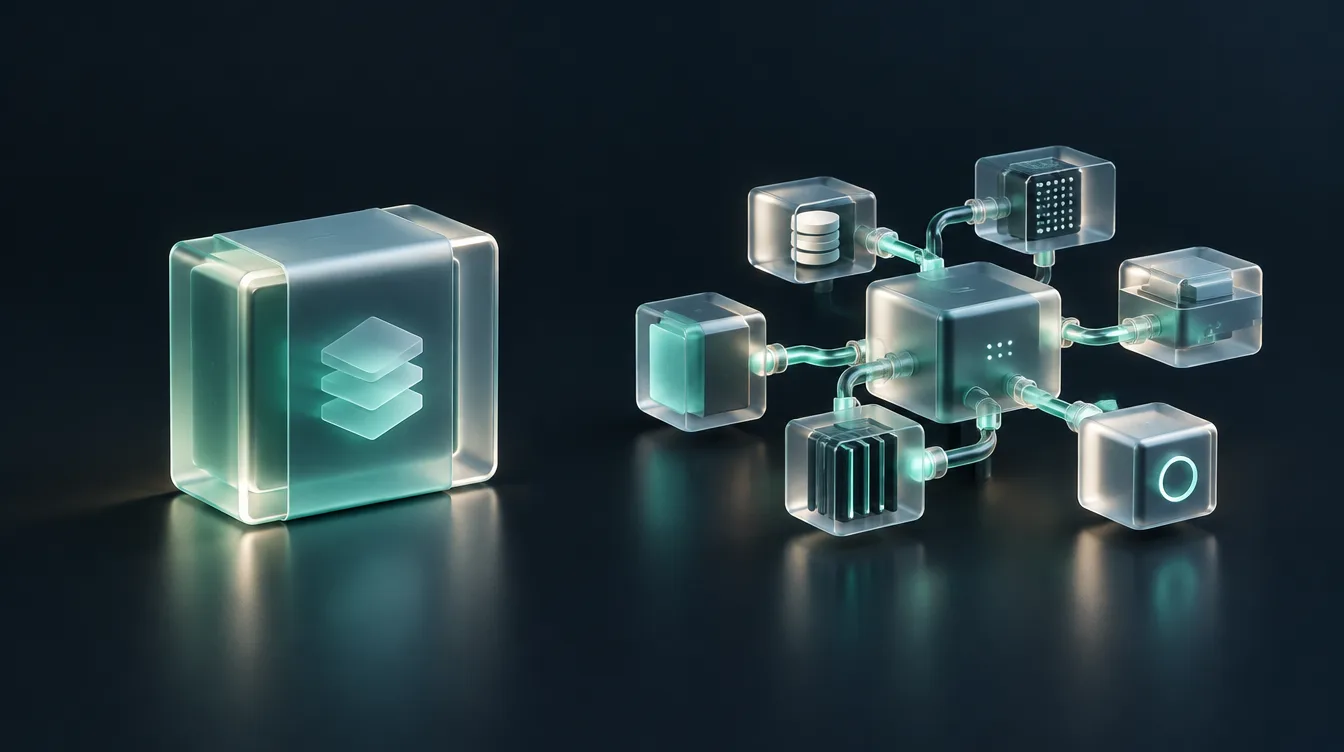
The Future of No-Code and Low-Code Platforms
No-code tools are getting more powerful, but they still have limits. Here is an honest look at where they excel and where custom development wins.

You will see no-code and low-code platforms continue to be the go-to for landing pages, simple sites and internal tools as they become faster and more capable. But let us be clear: once a project is ready to scale, they are better viewed as a head start than a total substitute for custom work. They have made it easy for anyone to put together an app or website without so much as a line of code, but before you put your business in their hands, it is worth knowing what they can and cannot do.
Where No-Code Excels
If you have a need for a basic e-commerce store, an internal tool or a straightforward site and want to move at speed, no-code is a sound decision. It allows for quick launches and some iteration without having to call in a developer, all while keeping early costs in check.
The Customisation Ceiling
There is always a ceiling with these platforms. You will come to a point where the platform’s constraints make what you want to build unfeasible. Be it a design the components won’t allow, a workflow that defies the templates, or an integration they don’t support. Push past that and you find the workarounds are fragile and overly complicated.
Performance and Scalability
A developer writes cleaner code than a no-code platform does, and that shows up in the page speed and Core Web Vitals. On a high-traffic site where SEO and conversions are paramount, a bespoke solution is invariably more efficient.
Ownership and Lock-In
When you use a no-code service, your project is tied to their infrastructure and proprietary format. Should they change their pricing or you outgrow them, leaving is not a cheap or easy process. A custom-built site means you have full ownership of the hosting, the database and the code, there is no lock-in.
The Hybrid Approach
It is common for a company to use no-code to put an idea to the test and then switch to a custom build as they mature. There is a pragmatism to getting to market and proving the concept first, then making the investment in custom development when the numbers warrant it.
Making the Right Choice
It comes down to what your business requires now and in the future. For unique needs, scalability and long-term control, go with custom. For budget and simplicity, no-code is fine. One is not inherently better than the other. For another take on this, we have an article on custom websites versus templates.
Not sure which route to take? We give honest recommendations. Get in touch for a no-obligation chat, or see our services to understand what we offer.
Written by Paul - PJE Designs
Solo Laravel developer in Watford, Hertfordshire with 20 years' experience building SaaS platforms, web applications and websites for UK businesses. More about me · Work with me
Enjoyed this article?
One useful email a month on Laravel, performance and building web apps.